
Have you ever wondered why GTM teams break as they scale? You can do all the “right” things (or what you think are the right things) and still hit a wall. If this sounds familiar, you’re not alone.
In this episode, Ross sits down with Navin Persaud, VP of Revenue Operations, at 1Password, to break down the 3 most common reasons GTM teams struggle as they grow and how you can build one that doesn’t.
Navin brings over 20 years of experience building and scaling revenue teams at high-growth SaaS companies and shares plenty of insights you won’t want to miss.
Listen to the episode here, and get the key takeaways from our conversation below.
Navin equates building an organization to building a house. You can’t build on a shaky foundation or you’ll pay for it later.
“When you want to layer other things on top of your foundation, and it’s not sturdy, it will break,” says Navin. “You have to think of your go-to-market systems and processes as a house you’re building. Your product-market fit is that amazing view you’ve found. You need a strong foundation because if it’s weak, it doesn’t matter how pretty it is on top — it’s going to fail. It’s going to cost you money, cause you pain, and eventually that view won’t save you.”
So what does that actually look like in practice?
It’s easy to feel like you’re falling behind when there’s a new AI tool, feature, or “must-have” platform every week. But more tools don’t automatically mean more progress.
“Vendors and their solutions exist to solve my problems, not the other way around,” Navin says. “I need to know that I have a problem first. Show me the pain. Then we can talk about features.”
That mindset shift matters more than ever right now. Because chasing innovation without a clear reason is one of the fastest ways to slow your team down.
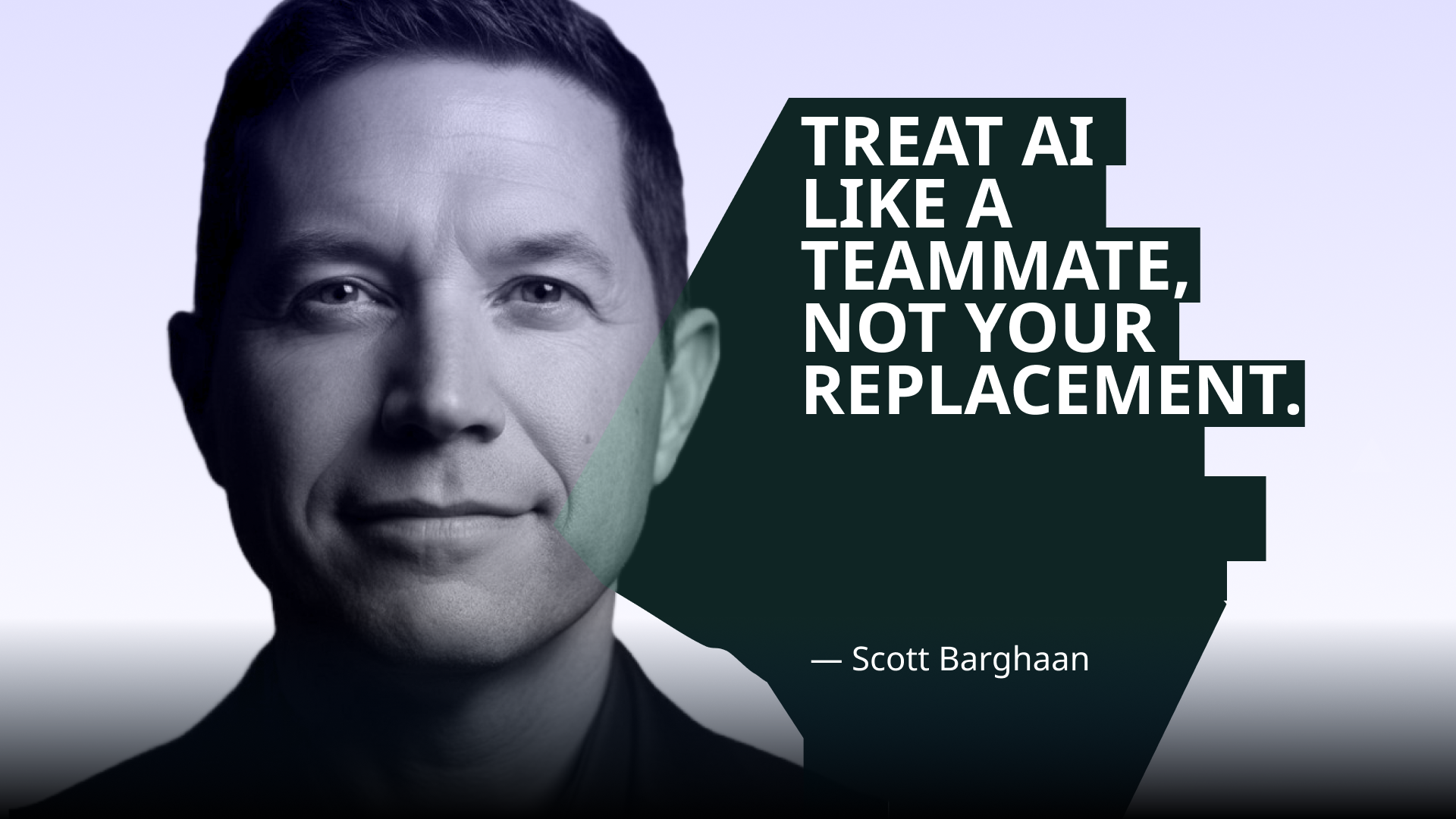
There’s no question — AI is all the hype right now. And with it comes pressure to do more with less. In some cases, that makes sense. In others, it can actually do more harm than good.
“The sales year is 52 weeks. There’s a limited amount of time where we can implement and influence results,” says Navin. “If you’re building for the future, fine. But you can’t sacrifice the present.
That’s where a lot of teams get it wrong. In the rush to adopt new tools, they lose sight of what actually drives outcomes.
“I think there’s a volume and value separator here,” Navin explains. “There are amazing use cases for AI when it comes to high-volume tasks — things you just can’t support with humans at scale. That absolutely makes sense. But you have to ask: where does human interaction actually matter most? Because that’s where you need to invest. Human interaction must win.”
That distinction of volume vs. value is what separates teams that scale efficiently from the ones that unintentionally erode their customer experience.
When it comes to AI, here are three tips for how to use it:
Navin is the VP of Revenue Operations at 1Password, where he leads efforts to streamline systems and processes, and optimize GTM strategy through cloud-based infrastructure, solution selling, and data-driven decision making.
To learn more about Navin or connect with him directly, follow him on LinkedIn.